



Best Paver Edging: Choose the Right Material for Clean, Durable Borders

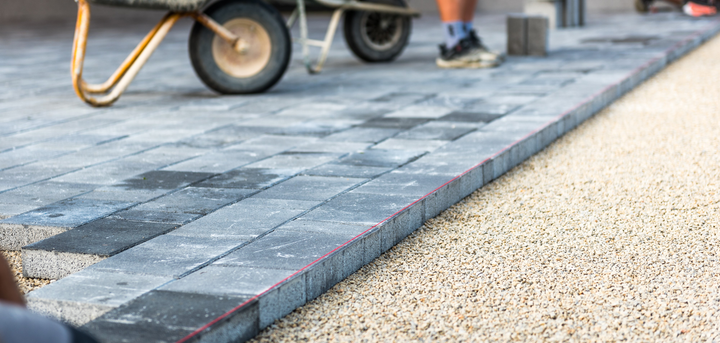
Clean edges make pavers look finished and help them stay put through rain, heat, and freeze–thaw. If you’ve ever seen a patio where the border bulges or a walkway where bricks drift into the lawn, that’s edging doing a poor job. This guide explains how to choose the best paver edging for a patio, walkway, or driveway using clear examples and practical use.
What Makes Paver Edging “Best” for Your Project

Good edging does two things at once. It holds the field of pavers in place and looks like it belongs. We look at three buckets: performance, design fit, and cost when comparing best paver edging options for a patio, walkway, or driveway.
This way of comparing edging follows the same thinking used when choosing materials used in hardscape projects, where strength, fit, and long-term use matter more than appearance alone.
Performance: Strength, Restraint, and Freeze–Thaw Resistance
When pavers try to spread under traffic or seasonal movement, the paver edge restraint takes the pressure. Stronger options like metal paver edging (steel or aluminum) and concrete edging resist flex and help keep joints tight. Plastic edging can work for patios and walkways when anchored correctly, but it is not ideal for heavy loads.
In colder areas, freeze–thaw can push up light or poorly anchored edges. Deeper spikes or rebar pins, a solid base, and space for water to drain make a noticeable difference. Adding ground stabilization under pavers also helps limit movement when soil shifts or stays wet.
Concrete paver edging performs well in drive areas when fiber or rebar is added. Metal edging holds up best when pins reach into compacted base rather than loose soil.
Design and Installation Fit: Curves, Height, and Safety
Aluminum bends cleanly for tight radiuses and flowing borders around planters or a pool. Steel can curve as well but takes more effort. Concrete edging and brick paver edging handle curves best when arcs are wider or smaller blocks are used.
Height affects both function and comfort. A low profile keeps a patio edge smooth so furniture and feet do not catch. For a raised border, brick paver edging and edging stones create a clear frame and add curb appeal.
Metal edging with a rolled top or flush concrete also reduces sharp edges near lawns, walkways, and garden areas where mowing or foot traffic is common.
Cost and Longevity: Materials, Labor, and Maintenance
Plastic edging is affordable and lightweight, which makes it quick to set and easy to cut. Metal edging costs more up front but usually lasts longer with fewer issues. Concrete edging requires more labor but offers strong restraint, while brick paver edging sits in the middle with flexible design options.
Long-term costs often come from resetting edges or replacing failed sections. A solid base, proper anchoring, and drainage usually save more over time, which aligns closely with how the cost of landscape edging is evaluated across different materials.
Types of Paver Edging: Pros, Cons, and Best Uses

We get asked two questions often: what do professional landscapers use for edging, and what do you use to edge pavers at home? Pros usually rotate between metal paver edging and concrete edging based on load, curves, and budget. Below is a clear breakdown so you can decide what fits your site and skill.
Metal Paver Edging (Steel and Aluminum)
Metal is a common choice when a slim look needs strong restraint. Aluminum is resistant to rust, bends smoothly for curves, and sits low so the border stays clean. Steel is tougher for driveway paver edging and long straight runs, and both rely on spikes or rebar pins set through pre-drilled holes.
Best for: patios and walkways that need clean lines, and driveway paver edging when a low profile with strong hold is required.
Watch for: nearby irrigation or water that can sit against steel. Use coated or stainless spikes when needed, and longer pins in sandy base conditions. This is where Gator Edge - Rigid & Flex help match straight runs and curves in one layout.
Concrete Paver Edging (Poured or Precast)
Concrete edging creates a rigid beam along the edge. Poured-in-place concrete allows a custom profile tucked tight to the pavers, while precast curbs create a finished border look. For heavier loads, fiber or light rebar is added and the surface is shaped so water moves away from the edge.
Best for: driveways, long straight runs, and areas where foot traffic or mowing pushes hard against the border.
Watch for: cracking when the sub-base is thin or water collects. Proper drainage and expansion joints help reduce issues.
Brick Paver Edging (Soldier, Sailor, and Curbstone)
Brick paver edging works as both a border and a visual frame. A soldier course sets bricks upright, a sailor course lays them flat, and curbstone creates a taller wall-style edge. This option works well when color and texture need to match the patio or walkway.
Best for: patios, garden paths, and spaces where design matters as much as restraint. Brick also works well to frame planters and separate plants from the hard surface.
Watch for: bricks tipping if they are not set on a compacted base with edge restraints behind them. Adding hidden supports helps the border stay set over time, especially in areas where landscape edging options vary by soil type.
Plastic Paver Edging (HDPE or Poly)
Plastic edging is a lightweight and affordable option many DIY projects use. It flexes easily for curves and installs quickly when anchored correctly. Long spikes, tight spacing, and solid base contact are required for it to perform well.
Best for: patios and walkways with pedestrian traffic where cost and speed matter.
Watch for: lifting during freeze–thaw, spikes pulling in soft soils, and UV wear on lower-quality products. Choosing paver edge restraint systems designed for hardscape use improves durability without making the project costly.
If you are shopping, compare availability at local suppliers like Rivendell Distribution. Check height, spike length, and connection style on the product page before you choose.
Driveway Paver Edging: Extra Loads Require Stronger Restraint
Cars and trucks push sideways when turning or braking. That force transfers straight to the edge and can shift pavers over time. For driveway paver edging, materials that resist flex and anchoring that locks into the base matter most.
Recommended Specs and Materials for Vehicle Traffic
Metal edging made from steel or heavy aluminum works well when long pins are driven into the compacted base instead of loose soil. Concrete paver edging poured against the field also performs well when reinforced and shaped to move water away. For a visible curb, precast concrete or a tight soldier course of brick with hidden edge restraints behind it can hold up under vehicle traffic.
This approach lines up with how people compare long-lasting patio and driveway materials, where strength and base prep matter more than appearance alone.
Specs we aim for:
- Compacted base wider than the paver field by 6–8 inches at the edges
- Pins or rebar 10–12 inches long with closer spacing near curves and entrances
- Geotextile below the base when the subgrade is clay or holds water
Using Geo-Grid Ground Stabilization below the base helps limit movement when moisture or vehicle load puts extra stress on the edge.
Common Failure Points to Avoid
Failures usually show up where edging sits on loose soil, spikes are too short, or water pushes into the side of the pavers. Another frequent issue is missing restraint at driveway entrances where turning forces are highest. Extending the base, using longer pins like Gator Screws, and adding a rigid restraint at those stress points helps prevent repeat movement.
How to Choose: Quick Decision Guide by Site, Budget, and Skill

Picking the best paver edging comes down to how the area is used, the look you want to create, and how much time you want to spend on installation. Different spaces place different demands on the edge, especially when weight, water, and movement are involved.
Patios and Walkways
For a low-profile border with a clean finished look, aluminum or plastic paver edging sits quietly along the edge. If design is the focus, a sailor or soldier brick border adds color and texture while still acting as an edge restraint. Around a garden path or patio near plants, brick edging or small edging stones blend well with the garden and help define boundaries.
Driveways and Vehicle Areas
Steel, reinforced concrete edging, or a brick curb with hidden edge restraints stand up better to weight and turning. Steel works well when you want a subtle border, while concrete or block creates a more defined edge. This choice often comes up when comparing pavers vs concrete for a patio or driveway, especially when durability and long-term performance matter.
Freeze–Thaw, Sandy, or Clay Soils
Cold regions benefit from deeper pins, a thicker base, and drainage that moves water away from the edge. In sandy soils, longer spikes and a wider base improve grip. In clay soils, geotextile below the base helps limit movement and keeps the edge from sinking.
When conditions vary across the site, upgrading the base and anchoring is often the most affordable way to add years of life to the project.
Installation Basics That Keep Edges Straight and Stable
We are not going to overload this with steps, but a few basics make or break an edge. Edging works best when it is treated as part of one system, including the base, bedding sand, restraint, and drainage.
-
Base prep and support. A compacted base that extends past the pavers gives the edge something solid to bite into. When the subgrade holds water or feels soft, adding a stabilization layer below the base helps prevent movement and sinking. This matters most along borders where pressure builds up over time.
-
Height, alignment, and anchoring. Set the edge so the top of the restraint sits just below the surface of the pavers for a smooth, finished look. Use a string line for straight runs and dry-fit curves before setting spikes. Long spikes or rebar pins through a paver edge restraint are what hold paver edges in place.
-
Backfill, drainage, and finishing. After the edge is set, backfill the outside with compacted base or crushed stone instead of plain soil. This outer wedge supports the edge and helps keep edging pavers from sinking. Finish by sweeping sand into joints and checking that water drains away from the border.
Costs, Lifespan, and Maintenance at a Glance
Price and time both matter. This is how many people frame the decision when budgets are tight but the border still needs to last.
Typical Costs and DIY vs. Pro
Plastic paver edging is the most affordable and a common DIY option. Metal edging falls in the middle to higher price range and usually requires modest tool work. Concrete edging can be the most costly because of mixing, forming, and finishing, while brick paver edging often lands between metal and concrete depending on the block and pattern.
When a site is complex or carries vehicle traffic, hiring a pro can help avoid rework and protect the pavers already set in place. This often comes up when people weigh how outdoor improvements affect property value, especially for visible areas like driveways and patios.
Expected Lifespan and Maintenance
Well-anchored metal edging can last for decades with minimal attention. Quality plastic edging holds up on patios and walkways when spikes are long and spacing is tight. Concrete performs well when reinforced and drained properly, while brick borders stay finished when set on a compacted base and adjusted as roots or soil shift.
A seasonal walk-through helps catch raised sections, weeds along the border, or sand washout early. Small adjustments at the edge usually prevent bigger issues later.
Plan Your Paver Edging With Confidence
The best paver edging is the option that fits your site, load, and finished look. For most patios and walkways, aluminum or quality plastic with solid anchoring works well. For driveways, steel or reinforced concrete holds firm, while brick edging adds color and structure when design matters.
If you are comparing options, use this article as a reference and match the edge restraint to the base you plan to build. When you are ready to source materials or want guidance for your area, contact us or visit Rivendell Distribution at 3961 County Road 114, Glenwood Springs, CO. You can also order online to get the paver edging and support materials needed to move your project forward.
Paver Edge Restraint FAQs
What is the best paver edging for patios and walkways?
For most patios and walkways, the best paver edging is aluminum or quality plastic paver edging with solid anchoring. Aluminum offers a low profile, clean lines, and smooth curves along the edge. Plastic is more affordable when long spikes, tight spacing, and a compacted base are used.
What is the best paver edging for driveways?
For driveways, choose edging that will not flex under vehicle loads. Steel or heavy aluminum with 10–12 inch pins driven into the compacted base works well, as does reinforced concrete edging poured against the paver field. A brick curb with hidden edge restraints is another durable option.
How do you keep paver edges from moving or spreading?
Extend the compacted base 6–8 inches beyond the pavers and place the paver edge restraint so the top sits just below paver height. Anchor with long spikes or rebar driven into the base rather than soil. Backfill with compacted stone, manage water flow, and tighten pin spacing in high-stress areas.
Which paver edging is best for curves and design flexibility?
Aluminum works well for tight radiuses and flowing borders because it bends smoothly and stays low. Steel can curve with more effort and performs best on long straight runs. Concrete and brick edging handle curves with wider arcs or smaller units, while bricks add color and a framed border look.
How long does paver edging last, and what maintenance is needed?
Well-anchored metal edging can last for decades with minimal care. Quality plastic holds up for years on patios and walkways when spikes are long and closely spaced. Concrete and brick remain durable when set on a solid base, with seasonal checks for raised sections, sand washout, or weeds.
How much does the best paver edging cost per linear foot?
Costs vary by area and material, but typical ranges are plastic $1–3 per linear foot, aluminum $4–8, steel $5–10, brick borders $6–15, and poured or precast concrete $8–20. Labor can exceed material costs for concrete or complex layouts. Comparing height, pin size, and connection style helps narrow options.
- Tags: Landscaping & Hardscape