



Hydroseeding vs. Sod: Which One Is Right for Your Lawn?

Starting a new lawn comes down to one big question: do you want grass now, or are you okay waiting for it?
Sod gives you a green lawn the same day it goes in the ground. Hydroseeding costs far less but asks you to hold off for about 4-6 weeks before the lawn is usable. The right pick depends on your budget, how fast you need results, and the size and condition of your yard.
Both methods work. But one will likely work better for your situation.
Quick Takeaways:
- Hydroseeding costs up to 80% less than sod installation.
- Sod delivers an instant lawn; hydroseeding takes 4-6 weeks to establish.
- Hydroseeding works best for large areas, slopes, and budget projects.
- Sod is the better pick for small yards, tight timelines, and high foot traffic areas.
- Both methods need consistent watering and proper maintenance to thrive.
Hydroseeding vs. Sod: A Side-by-Side Look
Before going deeper into each method, here is a quick comparison of what you are actually choosing between.
|
Factor |
Hydroseeding |
Sod |
|
Start Time |
5-10 days to germinate, 4-6 weeks to first mow |
Instant green lawn, light use in 2-4 weeks |
|
Appearance |
Green-dyed mulch at first, uniform lawn in 6 weeks |
Lush from day one, minor visible seams early on |
|
Cost per sq. ft. |
$0.07-$0.21 |
$0.60-$1.65 (installed) |
|
Best For |
Large areas, slopes, budget-focused projects |
Small yards, quick results, events, home sales |
|
DIY-Friendly |
Possible but equipment-heavy |
Moderate, physically demanding |
|
Erosion Control |
Good once rooted, great on slopes |
Immediate once established |
What is Sod?

Sod is pre-grown grass that comes with roots and a thin layer of soil already attached. It gets cut from a sod farm in rolls or squares, delivered fresh, and laid directly on prepared bare soil.
Think of it like buying a finished lawn and rolling it out. You get green, full grass from day one, which is why many homeowners go this route when they need results fast.
Rivendell grows premium bluegrass sod rolls right in Colorado's nutrient-rich soil. The Bluegrass Sod variety is drought-tolerant, disease-resistant, and one of the most popular picks for Colorado lawns, golf courses, and sports fields.
One thing to keep in mind: sod has a short shelf life after delivery. You want it in the ground within 24 hours, or within 12 hours in hot weather, to keep the roots alive.
Here is how to install sod correctly:
- Clear the area of debris, rocks, and existing weeds
- Loosen and level the bare soil before laying anything down
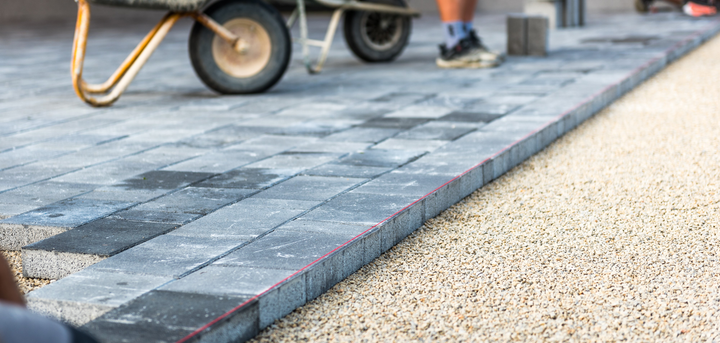
- Lay sod in a staggered brick-like pattern with seams pressed tightly together
- Use a water-filled roller to push roots into the ground and remove air pockets
- Water immediately and keep the soil consistently moist for 2-3 weeks
What is Hydroseeding?

Hydroseeding is a planting method where a hydroseed slurry gets sprayed directly onto prepared bare soil. That mixture is made up of grass seed, mulch, fertilizer, and water, all blended and sprayed from a hose-fed machine.
The mulch in the mix holds moisture and protects new grass seed from wind and light rain while it germinates. A green dye is usually added so the applicator can track full coverage. That color fades within 2-3 days.
For Colorado homeowners ready to try this method, we stock hydroseeding supplies, including the Rainier Wood Fiber Hydromulch with Tackifier, which helps the slurry bond to soil on varied terrain and sloped areas.
Seeds typically sprout in 5-10 days, and most lawns are ready for a first mow around the 4-6 week mark.
Here is what goes into a standard hydroseed mixture:
- Grass seed matched to your climate and lawn type
- Wood fiber mulch or bonded fiber matrix
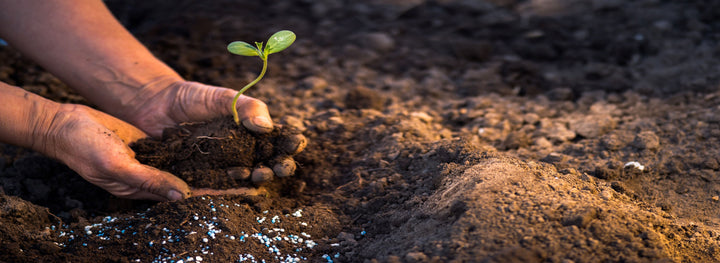
- Fertilizer to jump-start growth
- Tackifier to bond the mix to the soil
- Water as the carrier
Hydroseeding Pros and Cons
Hydroseeding is not the right call for every yard, but it has real advantages worth considering, especially for large properties and budget-sensitive projects.
|
Pros |
Cons |
|
Costs up to 80% less than sod |
Takes 4-6 weeks before the lawn is usable |
|
Seeds germinate in 5-10 days |
Needs watering 2-3 times daily for the first 3 weeks |
|
Works well on large areas and sloped areas |
Heavy rain can wash the slurry away before germination |
|
Customizable grass types for your climate and soil |
Not ideal in extreme heat (90F+) or freezing temps |
|
Deeper root systems develop in your native soil |
Equipment runs $1,700-$30,000+, making DIY hydroseeding tough |
Sod Pros and Cons
Sod comes with a higher upfront price, but that cost buys you some clear benefits most other methods cannot match.
|
Pros |
Cons |
|
Instant lawn from day one |
Costs up to 80% more than hydroseeding |
|
Ready for foot traffic in 2-4 weeks |
Labor costs make up 50-60% of the total cost |
|
Immediate erosion control once rooted |
Limited grass types based on local availability |
|
Low weed invasion risk early on |
Can fail if laid on compacted or poorly prepped soil |
|
Can be installed in spring, fall, or any non-frozen period |
Heavy rolls make installation physically demanding |
Hydroseeding vs. Sod: How the Costs Compare
Cost is usually where this decision gets made. Both methods get you a green lawn, but what you pay upfront looks very different depending on which route you take.
Sod Cost: What You Pay per Roll
Rivendell's sod is sold by the roll or by the pallet. Each roll covers 10 sq ft, and a full pallet holds 60 rolls covering 600 sq ft. A 54-roll pallet (540 sq ft) is also available.
Here is what each variety runs:
|
Sod Variety |
Per Roll |
Per Pallet (60 rolls / 600 square foot) |
|
Bluegrass Sod |
from $12.50 |
from $750 |
|
HyperBlue Texas Hybrid Sod |
from $15.56 |
from $933.60 |
|
Fine Fescue Hybrid Sod |
from $16.59 |
from $995.40 |
|
RT Fescue Hybrid / Texas Blue Hybrid Sod |
from $16.59 |
from $995.40 |
|
Short Cut Low Mow Sod |
from $18.56 |
from $1,113.60 |
|
Rye Grass Sod |
from $22.80 |
from $1,368 |
|
Bentgrass Sod T-1 |
from $48.70 |
from $2,922 |
Bluegrass sod is the most accessible starting point at $1.25 per sq ft in materials. On the other end, Bentgrass Sod T-1 is purpose-built for golf courses and professional turf applications, which is where the price reflects that. Most residential homeowners land somewhere in the middle depending on the variety that fits their lawn and climate.
For a deeper look at what goes into the full picture, this breakdown of sod cost per square foot covers pallet pricing and what Colorado homeowners should expect to budget before calling a professional.
Hydroseeding Supply Costs
Rivendell Distribution carries a full range of hydroseeding materials across two trusted brands: Rainier and HydroStraw. Each product is designed for different site conditions, from standard lawn establishment to heavy-duty erosion control on steep slopes.
|
Product |
Per Bale |
Pallet of 40 Bales |
|
HydroStraw Original Hydromulch |
from $21.12 |
from $844.80 |
|
HydroStraw Guar HE Plus Hydromulch |
from $26.26 |
from $1,050.40 |
|
Rainier Wood Fiber Hydromulch w/ Tackifier |
from $28.25 |
from $1,130 |
|
Rainier Bonded Fiber Matrix |
from $41.55 |
from $1,662 |
|
Rainier Supreme |
from $41.97 |
from $1,678.80 |
|
HydroStraw Bonded Fiber Matrix |
from $45.75 |
from $1,830 |
The HydroStraw Original is the most affordable entry point for standard hydroseeding lawns. The Bonded Fiber Matrix products from both Rainier and HydroStraw are built for tougher conditions where stronger soil adhesion and erosion resistance are needed. Rainier Supreme sits at the top for the most demanding sites.
Coverage per bale varies based on your property size, slope, and application rate. Contact us for an estimate based on your specific yard before ordering.
Professional Installation: What to Budget For
Product cost is only part of the picture. If you are hiring a professional, installation adds to the total for both methods.
According to HomeGuide, here is what professional services typically run:
-
Professional hydroseeding: $0.12-$0.35 per sq ft installed, with 1 acre averaging $2,000-$6,000 depending on location, terrain, and materials
-
Professional sod installation: $1.00-$4.00 per sq ft installed, depending on whether you are laying a new lawn or removing and replacing an existing one
The gap there is significant. Sod delivers faster results, but hydroseeding gives you more room in the budget, especially once you are covering a large area.
Disclaimer: Installation costs vary widely depending on your property size, soil condition, local labor rates, and how much ground prep is needed. The figures above are industry estimates. Always get a quote from a local professional before committing to a budget.
What Affects Your Final Price
No two yards are the same, and a few factors can shift costs in either direction.
For sod:
- Grass variety (Bentgrass T-1 costs significantly more than Bluegrass)
- Number of rolls and pallet size needed for your area
- Ground prep work including topsoil, leveling, and debris removal
- Labor if you hire professional installation
For hydroseeding:
- Which hydromulch product fits your site conditions
- Number of bales needed based on area size and slope
- Soil condition and how much prep work is required beforehand
- Equipment rental costs if you go the DIY hydroseeding route
Both methods need solid ground prep before anything goes down. Loosening compacted soil, adding topsoil, and grading for drainage all add to the upfront cost, but skipping these steps puts the whole project at risk regardless of which method you choose.
Hydroseeding in Colorado: What to Know
Colorado's climate adds a real layer to this decision, especially on the Western Slope where dry summers, variable springs, and cooler falls affect how well each method performs.
For sod, the best window is spring or early fall. These periods give roots time to settle before extreme heat or frost moves in.
For hydroseeding, late summer to early fall is the sweet spot. According to Penn State Extension, most cool-season turfgrasses root best when soil temperatures are between 50°F and 65°F, which aligns well with Colorado's fall conditions.
Grass type matters here too. Kentucky Bluegrass is the most popular pick for Colorado lawns. Tall fescue handles shade and varied soil well. Perennial ryegrass germinates fast for quicker coverage. Browsing cool-season turfgrass seed options before committing helps you match the right variety to your yard.
Keep an eye on the forecast before hydroseeding. One heavy rainstorm before germination can wash the slurry away and require reapplication.
If water conservation matters to you, looking into drought-resistant grass in Colorado before choosing your seed type can save you money on irrigation over the long run.
Which Method Is Right for You?
Go with hydroseeding if:
- You are covering a large area (5,000+ sq. ft.), and budget matters.
- Your property has sloped areas where runoff is a concern.
- You want a wide range of cool-season turfgrass seed options to choose from based on your local climate
- You can wait 4-6 weeks before the lawn sees regular use
- Long-term root strength matters more to you than instant results
- Your yard has hard-to-reach areas or uneven terrain
Go with sod if:
- You need an instant lawn for an event, a home sale, or a firm deadline
- Your yard is smaller (under 5,000 sq. ft.), and the cost difference is manageable
- You have kids or pets that need the space usable within 2-4 weeks
- Wildlife in the area would eat exposed seed before it sprouts
- You want immediate coverage with minimal waiting
Slopes, Pets, Bare Spots: Scenarios Worth Knowing
Not every yard is flat and simple. Here is how each method holds up in different situations.
- Slopes over 15 degrees: Hydroseeding is the stronger call here. The mulch in the slurry acts as natural erosion control on slopes, holding seed in place while it germinates. Sod can work too, but rolls can slip or fail to sit flush without anchoring or erosion control staples.
- Slopes under 15 degrees: Either method works well here. Sod gives faster results. Hydroseeding costs less and is still effective on gentle grades.
- Pet owners: Sod wins on timing. Light pet activity is okay after 2-3 weeks once roots set. With a hydroseeded lawn, pets need to stay off the area completely for the full 4-6 week establishment period.
- Filling bare spots: Hydroseeding covers bare spots well, but for smaller patches, traditional seeding is often the more practical and most affordable method.
After Installation: What Both Methods Need
Once your lawn is in the ground, the work is not over. Both methods need consistent attention in those first critical weeks.
The early watering schedule matters most. Hydroseeded lawns need water 2-3 times daily for the first 3 weeks. Sod needs deep, consistent watering for the first 2 weeks. After that, both settle into regular watering with deep, less frequent sessions as roots get established.
When it comes to feeding your lawn after installation, using the right fertilizer for new grass makes a real difference in how fast it fills in and how it holds through the season.
For Colorado homeowners, the seasonal care routine is a bit different from other regions. You can get into the details of what your grass needs month by month in this guide to a healthy lawn in Western Colorado.
Start Your New Lawn with the Right Supplies
Both hydroseeding and sod can get you to a healthy, green lawn. The difference comes down to how fast you need it and what your budget allows.
Either way, good soil prep, the right grass type, and consistent watering in those first few weeks make the biggest difference between a lawn that thrives and one that struggles.
If you are on Colorado's Western Slope, Rivendell Distribution has everything you need for both methods. Visit us at 3961 County Road 114, Glenwood Springs, CO 81601 or browse our full selection online.

- Tags: Erosion & Seeding