





The 9 Best Lawn Weed Killers, Tested for Every Yard Type

Weeds don't care how much time you've put into your lawn. One week it looks clean, and the next, dandelions are pushing through the grass, crabgrass is spreading toward the edges, and something unidentifiable is cracking through the patio.
Hand-pulling works for a small patch. But when you're dealing with large areas, deep-rooted perennial weeds, or annual weeds that come back every season, the right lawn weed killer makes a real difference.
Before buying one, there are 2 main types to know. Selective weed killers target broadleaf weeds or grassy weeds while leaving your lawn untouched. Non-selective herbicides take out everything they contact, useful for driveways, walkways, and bare patches, but not for active lawns.
Here are the 9 top picks from Rivendell's herbicides, covering selective control, pre-emergent prevention, organic picks, and more.
Top Picks:
- Best Overall: Bonide BurnOut Weed and Grass Killer, Ready To Use
- Best for Lawns: SpeedZone Broadleaf Herbicide
- Best Concentrate: Bonide Weed Beater Ultra Concentrate
- Best Value: Bonide Weed Beater Lawn Weed Killer Ready To Spray
- Best Non-Selective: Hi-Yield Killz All
- Best Pre-Emergent: Preen Plus Annual Grass and Weed Prevention
- Best for Crabgrass: Bonide Weed Beater Plus Crabgrass and Broadleaf Weed Killer
- Best Organic: MIL-X 47% Vinegar Extra Strength Industrial Grade Concentrate
- Best Weed + Feed Combo: Bonide Weed-N-Feed 20-0-0, Ready To Spray
Best Overall: Bonide BurnOut Weed and Grass Killer

|
What We Like |
What We Don’t Like |
|
No mixing, ready to use right out of the bottle |
Non-selective, keep away from grass you want to save |
|
Fast-acting on contact |
Deep-rooted perennial weeds may need a 2nd application |
|
Works on driveways, patios, walkways, cracks between pavers |
|
|
Safe around people once the spray dries |
Bonide BurnOut Weed and Grass Killer is the grab-it-and-go pick. It's a fast-acting, contact-based grass killer that starts working the moment it hits the plant. No mixing, no measuring, no setup.
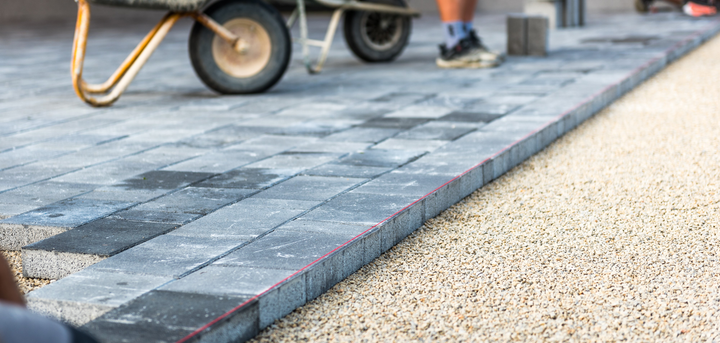
It handles weeds in driveways, patios, walkways, and the cracks between pavers easily. Since it's non-selective, keep it well away from any grass or plants you want to keep.
Annual weeds show results within hours. Tougher perennial weeds with deep roots may take 2-3 applications, but for general spot-treating on hard surfaces, this gets the job done without the harsh chemical smell.
Application Type: Ready-to-use spray
Targeted Plants: Broadleaf weeds, grassy weeds, annual weeds
Primary Active Ingredient: Citric acid, clove oil
Best for Lawns: SpeedZone Broadleaf Herbicide

|
What We Like |
What We Don’t Like |
|
Selective, safe for most turf grasses |
Concentrate requires a sprayer to apply |
|
Visible results in 24–48 hours |
Check label before use, not compatible with all grass types |
|
Controls a wide range of broadleaf weeds |
|
|
Professional-grade coverage per gallon |
SpeedZone Broadleaf Herbicide is built for lawns. It's one of the fastest-acting selective weed killers available. Most people see weeds curling within 24 hours of application.
It goes after dandelions, clover, ground ivy, chickweed, and dozens of other broadleaf weeds without touching your lawn grass. That's the core advantage of a proper herbicide for lawn use. You get the weeds, not the grass.
This is the pick for anyone serious about lawn care. It covers large areas per gallon, which makes it a smart buy when you're treating more than a few scattered patches.
Application Type: Liquid concentrate
Targeted Plants: Broadleaf weeds
Rain Resistance: 3-4 hours
Primary Active Ingredient: 2,4-D, Carfentrazone-ethyl
Best Concentrate: Bonide Weed Beater Ultra Concentrate

|
What We Like |
What We Don’t Like |
|
Kills 200+ broadleaf weeds |
Requires a pump or tank sprayer |
|
Cost-effective for large lawn areas |
Does not target grassy weeds like crabgrass |
|
Visible results within 24 hours |
Concentrates make more sense than ready-to-use bottles when you're covering a large lawn. Bonide Weed Beater Ultra mixes with water and stretches far from a single purchase.
It targets over 200 broadleaf weeds, including dandelions, clover, spurge, and pigweed. Most weeds start showing stress within 24 hours, which is fast for an herbicide weed killer in this price range.
Since it's selective, your grass stays safe at the right application rate. Pair it with a backpack or pump sprayer for even coverage across the whole yard.
Application Type: Liquid concentrate
Targeted Plants: 200+ broadleaf weeds
Rain Resistance: 24 hours
Primary Active Ingredient: Triclopyr, 2,4-D, Dicamba
Best Value: Bonide Weed Beater Lawn Weed Killer, Ready To Spray

|
What We Like |
What We Don’t Like |
|
Attaches directly to a garden hose |
Less precise than a tank sprayer for spot-treating |
|
Covers up to 16,000 sq ft |
Not ideal for tight or small target areas |
|
Safe for common lawn grasses |
For the homeowner who wants a no-fuss grass weed killer, the Bonide Weed Beater hose-end option covers a lot of ground without needing a separate sprayer. Attach it to the hose, turn on the water, and you're set.
It targets broadleaf weeds and is safe for common lawn grasses, including fescue, Kentucky bluegrass, and ryegrass. At this coverage area for the price, it's one of the better values in the lineup.
It's less precise for treating a single small patch. But if you need to cover the whole lawn quickly without mixing anything, it's a fast, straightforward option.
Application Type: Ready-to-spray (hose-end)
Targeted Plants: Broadleaf weeds
Primary Active Ingredient: 2,4-D, Dicamba, MCPP
Best Non-Selective: Hi-Yield Killz All

|
What We Like |
What We Don’t Like |
|
Kills weeds down to the root |
Non-selective, will kill grass too |
|
Covers up to 25,600 sq ft per gallon |
Not for use directly on active lawns |
|
Ideal for driveways, fences, bare soil prep |
When you need to clear an area completely, bare soil prep, driveway edges, along fences, Hi-Yield Killz All does it well. It's a glyphosate-based grass killer that goes all the way to the root, not just the top growth.
This one takes out everything green in its path. That makes it ideal for clearing a patch before reseeding, treating walkways, or removing weeds from driveways where nothing should grow.
At 25,600 sq ft of coverage per gallon, it's one of the more cost-effective non-selective options for larger properties. Keep it well away from plants, flowers, or grass you want to keep.
Application Type: Liquid concentrate
Targeted Plants: All vegetation
Rain Resistance: 2 hours
Primary Active Ingredient: Glyphosate 41%
Best Pre-Emergent: Preen Plus Annual Grass and Weed Prevention

|
What We Like |
What We Don’t Like |
|
Stops new weeds before they sprout |
Won’t kill weeds already growing above ground |
|
Targets grassy weeds and broadleaf weeds |
Best applied in spring before soil warms past 55°F |
|
Easy granular application, no sprayer needed |
Most weed killers deal with weeds after they've already shown up. Preen Plus Annual Grass and Weed Prevention takes a different route. It stops crabgrass seeds and other annual weed seeds from germinating before they ever break the soil.
Apply the granules in early spring, and you're setting a barrier that keeps new weeds from taking hold. Pull or spray existing weeds first, then apply Preen on top.
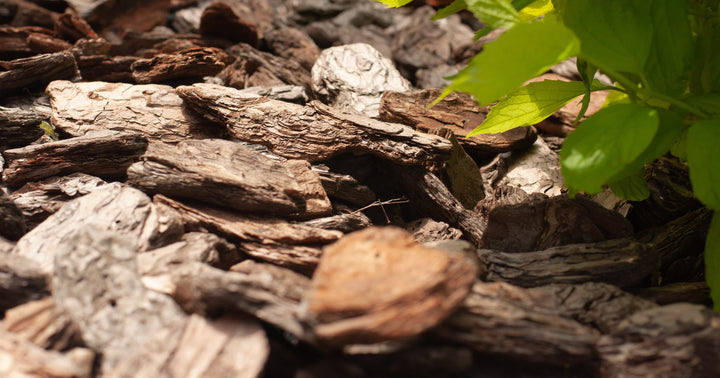
It's also a smart companion to mulch for weed prevention. The two work well together to reduce weed pressure in garden beds and around turf edges throughout the season.
Application Type: Granular
Targeted Plants: Grassy weeds, broadleaf weeds (pre-emergent)
Primary Active Ingredient: Trifluralin, Isoxaben
Best for Crabgrass: Bonide Weed Beater Plus Crabgrass and Broadleaf Weed Killer

|
What We Like |
What We Don’t Like |
|
Kills both crabgrass and broadleaf weeds |
Not a pre-emergent, won’t stop crabgrass seeds from sprouting |
|
Ready to use, no mixing needed |
Best used on young, actively growing crabgrass |
|
Safe for most common lawn grasses |
Crabgrass is one of the harder weeds to deal with once it gets going. It spreads fast, loves heat, and takes over bare patches quickly. This pick from Bonide handles both crabgrass and broadleaf weeds in a single application.
Bonide Weed Beater Plus Crabgrass and Broadleaf Weed Killer is a ready-to-use spray, so there's no measuring or mixing involved. It's most effective on young, actively growing plants. The earlier you catch crabgrass, the better the result.
It's safe for fescue, Kentucky bluegrass, ryegrass, and most other common lawn grasses. Read the label before applying to warm-season turf like Bermuda or St. Augustine.
Application Type: Ready-to-use spray
Targeted Plants: Crabgrass, broadleaf weeds
Primary Active Ingredient: Quinclorac, 2,4-D, Dicamba
Best Organic: MIL-X 47% Vinegar Extra Strength Industrial Grade Concentrate

|
What We Like |
What We Don’t Like |
|
No synthetic chemicals, vinegar-based formula |
Non-selective, will damage any plant it contacts |
|
Works on contact for fast visible results |
Strong odor during application |
|
Good for driveways, patios, walkways, flower beds |
May need repeat treatment on deep-rooted weeds |
MIL-X uses 47% acidity, far stronger than the standard 5% white vinegar you'd find in a kitchen. That concentration is what makes it actually work on tough weeds, not just slow them down.
It's a good choice for anyone who wants to avoid synthetic chemicals around pets, kids, or vegetables. It's also effective in flower beds, patios, driveways, and walkways, anywhere you want a chemical-free approach.
For more options without harsh chemicals, Rivendell carries a range of organic lawn products, including fertilizers that support soil health alongside weed control.
Application Type: Liquid concentrate
Targeted Plants: Broadleaf weeds, annual weeds, grassy weeds
Primary Active Ingredient: Acetic acid 47%
Best Weed + Feed Combo: Bonide Weed-N-Feed 20-0-0, Ready To Spray

|
What We Like |
What We Don’t Like |
|
Kills weeds and feeds the lawn in 1 step |
Not for use on newly seeded lawns |
|
Hose-end sprayer, no mixing required |
Feeding effect is nitrogen-only (20-0-0) |
|
Strengthens lawn to resist new weeds |
Killing weeds is one thing. Keeping the lawn strong enough that weeds don't come back easily is another. Bonide Weed-N-Feed does both. It's an herbicide for lawn use that also delivers nitrogen to feed the grass at the same time.
The 20-0-0 formula is high in nitrogen, which promotes thick, green growth. A denser lawn naturally chokes out weeds over time, so this combo supports both immediate control and longer-term prevention.
If you want to dig deeper into feeding your lawn after weed treatment, Rivendell's range of lawn fertilizers for soil covers a wide variety of products for every grass type.
Application Type: Ready-to-spray (hose-end)
Targeted Plants: Broadleaf weeds
Primary Active Ingredient: 2,4-D, Mecoprop
How to Choose the Right Lawn Weed Killer
The biggest mistake most people make is buying a non-selective herbicide and using it directly on the lawn. Before picking anything, ask yourself one question: are you treating the lawn, or treating around it?
Selective vs. Non-Selective
Selective weed killers are formulated to target specific plants, usually broadleaf weeds or grassy weeds, while leaving lawn grass untouched. These are your go-to for treating an active lawn.
Non-selective herbicides kill everything they contact. Here's where each type works best:
- Selective: lawns, garden beds, areas where you want to keep desirable plants
- Non-selective: driveways, cracks in pavement, walkways, bare soil prep, along fences
According to the University of California Agriculture and Natural Resources, the herbicide you choose depends on the types of weeds you're dealing with and the tolerance of your specific turfgrass species. No single herbicide controls all lawn weeds, and not all herbicides work on all grass types, so identifying your weed problem first saves you a lot of wasted effort.
Pre-Emergent vs. Post-Emergent
Post-emergent weed killers go after weeds that are already growing. Most of the products on this list fall into that category.
Pre-emergent herbicides work differently. They prevent crabgrass seeds and other weed seeds from germinating before they sprout. Here's a quick breakdown:
- Post-emergent: treats visible weeds actively growing in your lawn or garden
- Pre-emergent: applied before weeds appear, typically in early spring before soil hits 55 degrees F
- Best approach: clear existing weeds first, then apply a pre-emergent to stop new ones
For a deeper look at application timing, this guide on safe herbicide use on lawns walks through how to apply without overdoing it.
Application Tips
A few things to keep in mind before you spray:
- Apply on a calm day. Wind causes spray drift, which can land on plants, flowers, or vegetables you don't want to treat.
- Check the rain forecast. Most post-emergent sprays need at least 2-4 hours without rain to work properly.
- Measure concentrates carefully. Too little and the product won't work. Too much, and you risk damaging the soil or nearby plants.
- Spray in the morning or evening. Midday heat can cause faster evaporation, which reduces effectiveness.
- Use the right equipment. For small patches, a ready-to-use spray bottle is fine. For larger lawns, a backpack sprayer or tank sprayer gives you better control and more even coverage. Hose-end applicators are a good middle ground if you don't want to deal with mixing. Rivendell carries a range of lawn sprayers for application to fit every yard size and setup.
When to Apply
Timing matters more than most people realize. Here's a general guide by season:
- Spring: best window for both pre-emergents and post-emergents. Weeds are actively growing, which makes them more susceptible to treatment.
- Early summer: good for follow-up applications on perennial weeds like ground ivy or thistle that weren't fully controlled in spring.
- Fall: useful in warmer regions where annual weeds germinate over winter. A pre-emergent in early fall can reduce winter weed pressure.
- Winter: generally not effective for most weed killers, as dormant weeds absorb and process herbicides much more slowly.
For annual weeds, a single spring treatment is often enough. Perennial weeds may need 2-3 applications across the season.
The organic fertilizer for a healthier lawn guide is worth reading alongside your weed control routine. A well-fed lawn is naturally more resistant to weed pressure than a thin, stressed one.
Find the Right Lawn Weed Killer at Rivendell Distribution
 For most homeowners, Bonide BurnOut is the easiest place to start. No mixing, no equipment, and it handles most common weeds on hard surfaces fast.
If your main concern is keeping the lawn clean without harming the grass, SpeedZone Broadleaf Herbicide is the strongest selective herbicide weed killer in this lineup, with visible results in under 48 hours.
Need something organic? Go with MIL-X 47% Vinegar. Want to stop weeds before they start? Preen Plus is the pre-emergent to use in spring.
Rivendell Distribution carries all of these products and more. Whether you're a homeowner treating a backyard or a landscaper managing multiple properties, you'll find the right herbicide for the job. Stop by the store at 3961 County Road 114, Glenwood Springs, CO 81601, or browse the full herbicide collection online to find what fits your lawn.
- Tags: Pest & Weed Control